


Blog
Is an IUD Right for You? What to Consider Before Choosing One
When it comes to birth control, IUDs consistently rank among the most reliable options available, with a success rate of over 99%. While preventing pregnancy is often the primary goal, choosing the right method also involves considering your lifestyle, health history, and long-term reproductive plans. Here's what to know about IUDs and how to determine whether one may be right for you.
What Is an IUD?
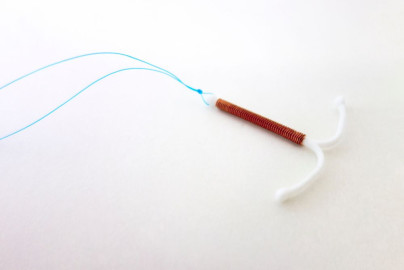
An intrauterine device (IUD) is a small, T-shaped device inserted into the uterus by a healthcare provider to prevent pregnancy. Once in place, it requires no daily attention and can remain effective for several years, making it one of the most low-maintenance contraceptive options available. There are two main types–copper and hormonal–and while both are highly effective, they work differently and suit different needs.
Copper vs. Hormonal IUDs: Understanding the Difference
Copper IUDs
The copper IUD (sold in the U.S. under the brand name ParaGard) works without hormones. It releases copper ions that are toxic to sperm, while its T-shape provides an additional physical barrier. One of its key advantages is that it begins working immediately after insertion and can remain in place for up to 10 years. For patients who prefer to avoid hormonal contraception altogether, the copper IUD is often the preferred long-term option.
Hormonal IUDs
Hormonal IUDs release a small amount of progestin, a synthetic version of the hormone progesterone that is found in many birth control pills. Hormonal IUDs work by thickening cervical mucus to prevent sperm from reaching the egg and thinning the uterine lining to impede a fertilized egg from implanting. Some may also suppress ovulation, which means the ovaries do not release an egg. Hormonal IUDs become effective within 7 days of insertion and can last 3 to 8 years, depending on the brand.
Factors to Consider When Choosing an IUD
In general, IUDs are a good fit for those looking for a long-term, low-maintenance contraceptive method and who have difficulty adhering to a daily pill schedule. That said, before deciding whether an IUD is right for you and, if so, which option would be best, you may want to consider the following factors.
Your Menstrual Cycle
Copper IUDs can cause heavier periods and increased cramping, particularly in the first few months after insertion. If you already experience difficult cycles, you may want to consider a hormonal IUD, which is more likely to cause lighter bleeding and reduce cramping.
How Long You Want Coverage
IUDs are designed to stay in place for several years. While they can be removed at any time, they are generally chosen by patients who want a longer-term option rather than short-term flexibility.
Hormone Preferences
Patients who prefer to avoid hormonal contraception entirely, whether due to personal preference or a desire to avoid hormonal side effects, may find the copper IUD to be a better option. It's worth noting, however, that hormonal IUDs release a much lower dose of progestin than oral contraceptives and do not contain estrogen, which is commonly found in pill options and is most associated with side effects like nausea, mood changes, and migraines. Patients who didn't tolerate the pill well may find hormonal IUDs easier to manage, though individual responses may vary. Your provider can help you weigh the options based on your specific history.
Your Reproductive Timeline
IUDs are fully reversible. Fertility typically returns after removal, which makes them a reasonable option even for patients who may want to conceive in the future. That said, removal does require a provider visit and cannot be done at home.
When an IUD May Not Be the Right Fit
While IUDs are appropriate for many patients, there are certain circumstances in which they may not be recommended. These include current or recent pelvic infection, pregnancy, a diagnosis of cervical or uterine cancer, abnormal Pap results, or uterine anatomy that may complicate placement. Patients at elevated risk for STIs should also keep in mind that IUDs offer no protection against infection, and may want to discuss additional or alternative methods with their provider. As always, your OB/GYN is best positioned to help you determine whether an IUD is appropriate given your full health history.
Addressing Common Concerns
It's natural to have questions before committing to any contraceptive method. Here's a look at some of the most common concerns patients raise about IUDs.
Does IUD insertion hurt?
IUD insertion is performed in the office and takes only a few minutes. Some patients may experience cramping or discomfort during and shortly after the procedure, which is normal and typically resolves within a day or two. Additionally, in 2025, the American College of Obstetricians and Gynecologists (ACOG) released updated guidance recommending that clinicians offer local anesthetics for IUD insertions, such as lidocaine spray, lidocaine-prilocaine cream, and paracervical block. Your provider can discuss pain management options with you and walk you through what to expect beforehand.
Do IUDs have side effects?
As with any contraceptive method, side effects are possible. Copper IUDs may cause heavier periods and spotting between cycles. Hormonal IUDs may cause irregular bleeding in the first few months of use. Rarely, an IUD can shift out of position and require removal. Some hormonal IUDs have also been associated with benign ovarian cysts. There is also a slightly increased chance of developing an infection known as pelvic inflammatory disease (PID); however, 3 weeks after insertion, there is no longer a risk.
Are IUDs reversible?
Both copper and hormonal IUDs are fully reversible. Once removed by a provider, fertility is restored immediately.
Talk Through Your Options with a Provider
There’s no single “best” birth control method, only the one that best fits your needs. Given the range of factors to consider, the decision is best made in partnership with a qualified women's health provider who knows your full medical picture. Whether you're considering an IUD for the first time or revisiting your current method, the team at Pacific Women's OB/GYN Medical Group is here to help you make an informed, confident choice. Schedule an appointment today to discuss your options.
Back to blogFollow PWOG
